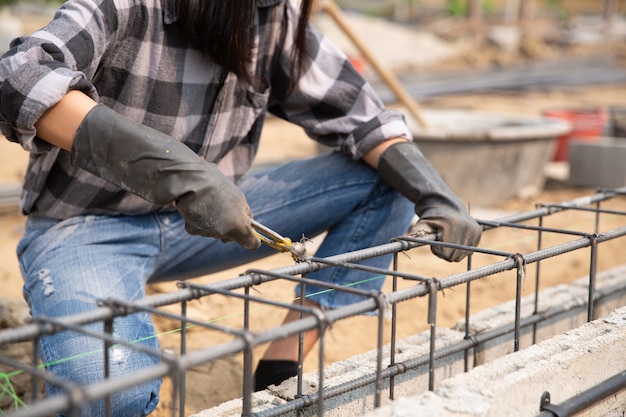
Foundation underpinning is a critical aspect of maintaining the structural integrity of any building that shows signs of settlement or instability. Whether it’s a residential property or a commercial building, ensuring a stable foundation is paramount to safety and longevity. This article will explore the key components of top-notch foundation underpinning services, how to identify when it’s necessary, and what to expect from a professional service provider.
Signs That Indicate the Need for Foundation Underpinning
Before seeking expert assistance, it?s crucial to recognize the signs that suggest a foundation may need underpinning. Awareness of these indicators can prevent further damage and costly repairs:
- Cracks in walls, floors, or ceilings that appear suddenly or grow over time.
- Doors and windows that stick or don’t close properly.
- Visible gaps around windows and doors, indicating shifting.
- Uneven or sloping floors.
- Water pooling around the foundation, suggesting poor drainage.
Understanding these signs allows property owners to take timely action. Find out more about this approach.
Understanding Foundation Underpinning Techniques
Traditional Methods
Traditional underpinning methods have been used for many years and are well-suited for a variety of soil conditions. Key techniques include:
- Mass Concrete Underpinning: Involves excavating below the foundation and pouring concrete to extend the foundation’s depth and width.
- Beam and Base Underpinning: Uses reinforced concrete beams to transfer the load of the structure to the new base.
Modern Approaches
As technology advances, so do the methods used in underpinning. Modern techniques are often less disruptive and quicker to implement:
- Screw Pile Underpinning: Uses steel screw piles that are driven into the ground to provide support.
- Mini-Piled Underpinning: Suitable for sites with restricted access, it involves installing piles that reach deeper, stable soil layers.
For more detailed information on these techniques, explore advanced guides and tips.
Choosing a Reliable Foundation Underpinning Service
When selecting a service provider for foundation underpinning, several factors should be considered to ensure a high-quality job:
- Experience and Expertise: Look for a provider with a proven track record in the industry.
- Comprehensive Assessment: A thorough inspection and assessment should precede any underpinning work.
- Quality of Materials: Ensure the use of high-quality materials that guarantee durability.
- Customer Reviews and Testimonials: Check for positive feedback from previous clients.
For those seeking professional underpinning services, discover expert strategies here.
Cost Considerations and Project Duration
The cost of underpinning services can vary based on several factors, including the extent of the damage, the underpinning method chosen, and the size of the property. Generally, more complex and labor-intensive projects will incur higher costs. Additionally, the duration of the project can range from a few days to several weeks, depending on the complexity and the techniques employed.
To get a tailored estimate and understand the specific needs of your project, learn about our tailored solutions.
Conclusion
Foundation underpinning is an essential service for maintaining the safety and stability of any building. By understanding the signs that indicate the need for underpinning, familiarizing oneself with various techniques, and selecting a reputable provider, property owners can ensure their building’s longevity and safety. For more information on foundation underpinning, discover expert strategies here.